Thinking about updating your Santa Rosa Beach home before selling or turning it into a stronger rental? You are not alone. In our coastal market, the right upgrades do more than look good. They stand up to salt air, humidity, and storms while adding features guests and buyers actually book and buy for. In this guide, you will learn which projects tend to perform best along 30A, typical costs, and smart local practices that help you get the most value. Let’s dive in.
What buyers and renters want on 30A
You will see the strongest interest when your home delivers coastal comfort that lasts. Consistent themes in Santa Rosa Beach include:
- Outdoor living and easy indoor–outdoor flow that feel like extra square footage.
- Durable, low‑maintenance finishes that resist salt, sun, and moisture.
- Weather resilience with impact protection, flood‑smart materials, and good drainage.
- Flexible sleeping capacity with bunk rooms and convertible spaces for families.
- Practical upgrades like Level 2 EV charging and right‑sized, efficient HVAC.
- Storm‑resilient, low‑maintenance landscaping that looks great with less upkeep.
- Strong curb appeal and photos that help listings stand out and book faster.
High‑ROI upgrades in Santa Rosa Beach
Durable exterior and first impressions
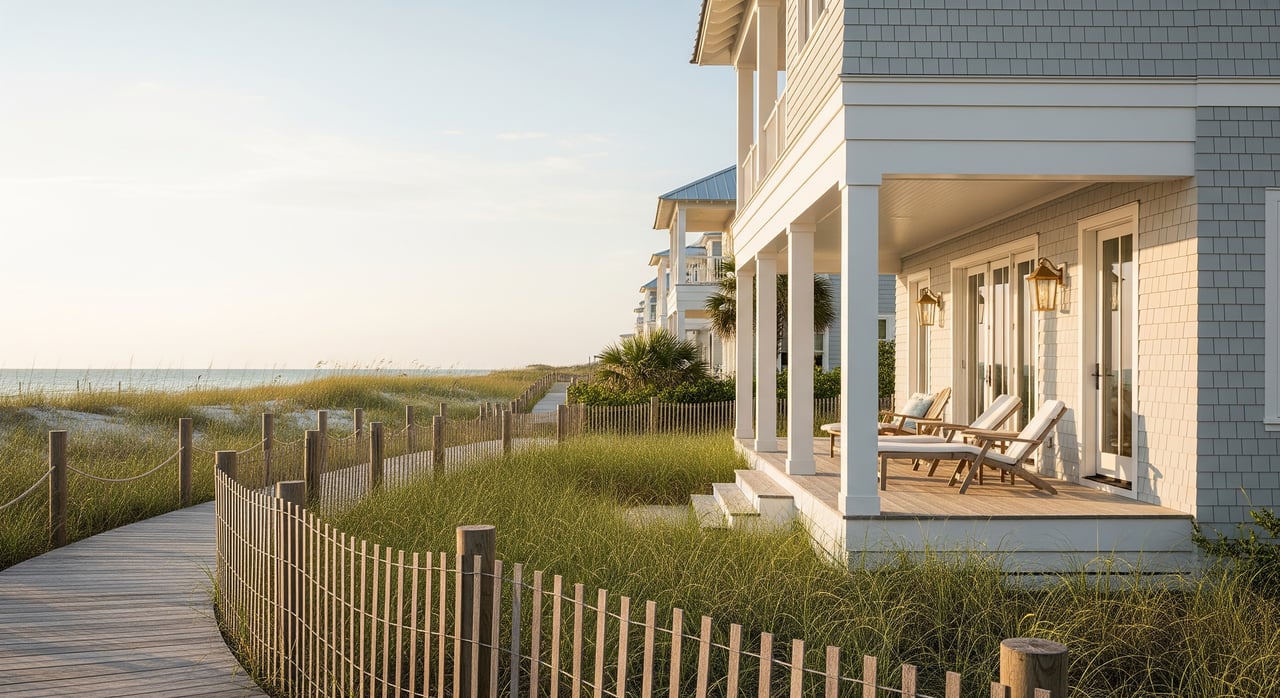
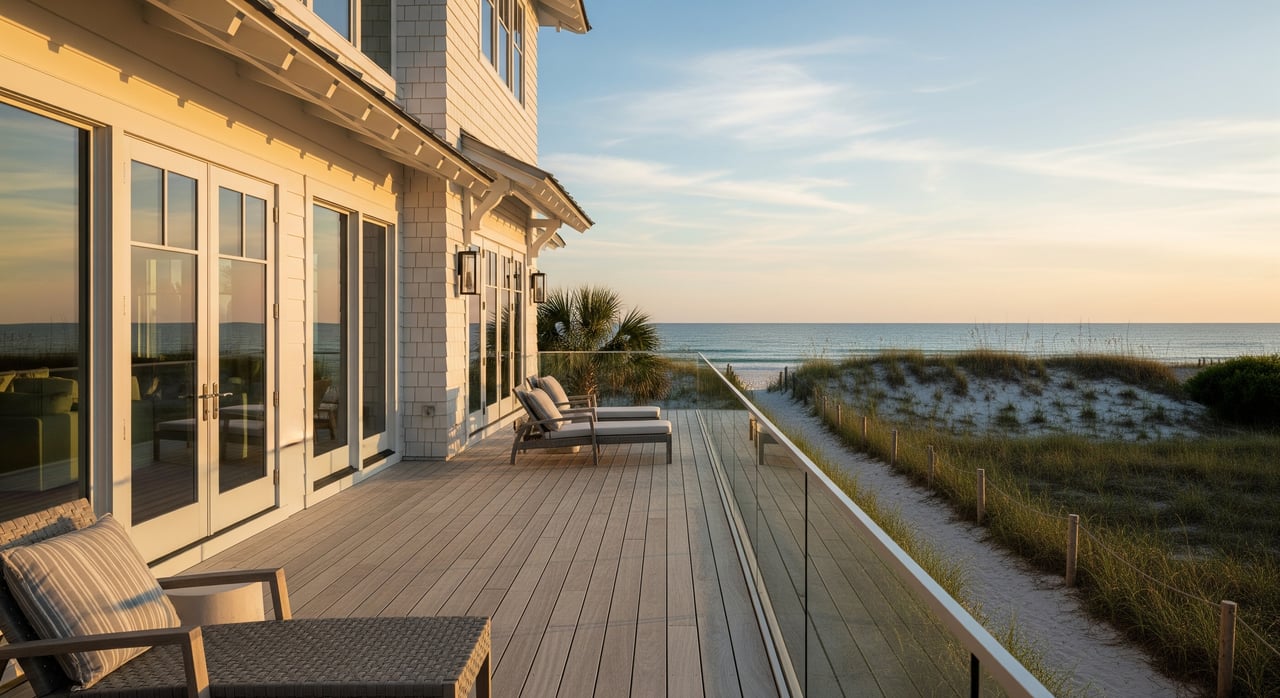
Strong curb appeal moves the needle in this market. Durable siding, fresh exterior paint, composite decking, and upgraded entry or garage doors calm maintenance concerns for buyers and create better listing photos.
- What to focus on: Fiber‑cement siding, fresh paint, impact‑rated doors, corrosion‑resistant hardware, composite decking, and improved exterior lighting and landscaping.
- Coastal best practices: Use marine‑grade stainless or hot‑dip galvanized fasteners and UV‑stable finishes. Choose composite or porcelain in ground‑contact or wet zones.
- Typical costs:
- Exterior paint: $6,000–$18,000
- Fiber‑cement siding replacement: $15,000–$45,000+
- Composite deck (mid‑size): $10,000–$35,000
- Garage door replacement: $1,200–$4,000
- Market impact: High for curb appeal and buyer confidence. For rentals, upgraded exteriors and decks help increase occupancy and nightly rates through stronger visuals.
Outdoor living and amenities
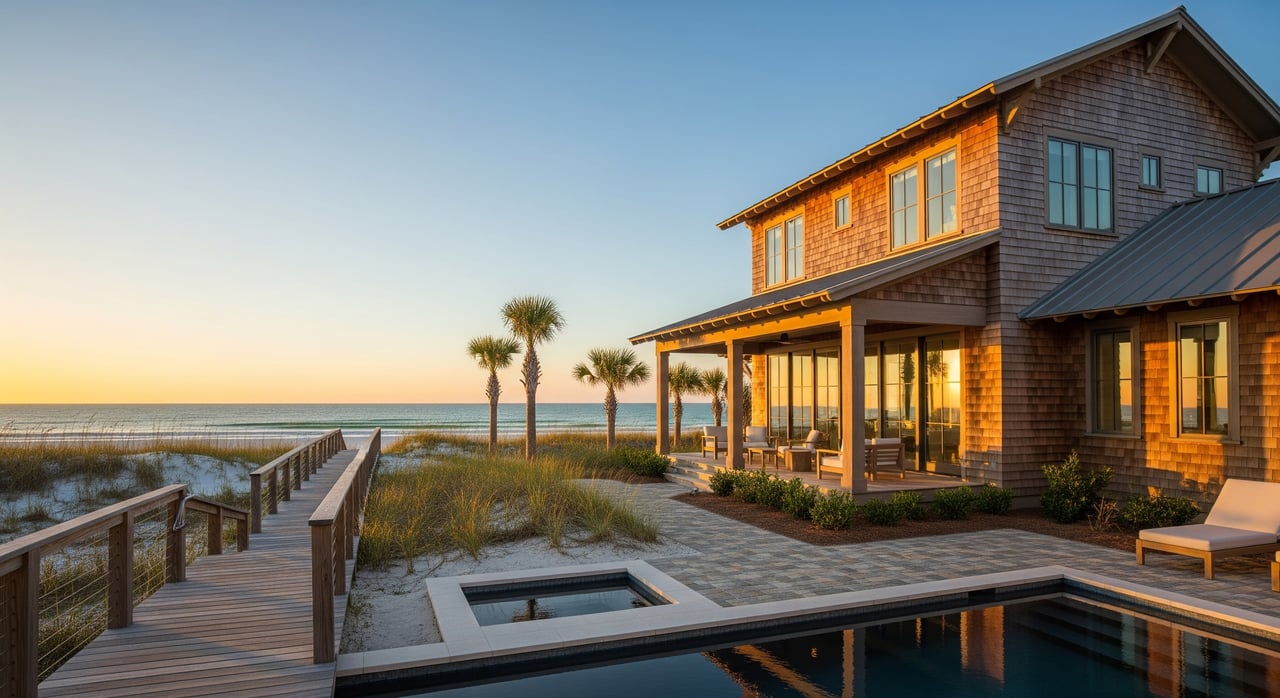
Outdoor space is a primary demand driver in Santa Rosa Beach. Covered porches, screened lanais, outdoor showers, and a simple grilling zone expand your usable living area and make a listing feel more premium.
- What to focus on: Covered or screened outdoor rooms, dining areas, lighting, outdoor kitchens, and a rinse‑friendly outdoor shower.
- Coastal best practices: Use rot‑resistant framing and composite where possible. Elevate decking in flood‑prone zones and choose corrosion‑resistant fixtures.
- Typical costs:
- Screened porch or covered lanai: $10,000–$40,000
- Outdoor kitchen (modest built‑in): $8,000–$30,000+
- Outdoor shower: $1,500–$7,000
- Market impact: High. Outdoor living adds functional value and helps shoulder‑season bookings.
Kitchen and bath updates that last
You do not always need a full gut job. In many 30A homes, a minor kitchen remodel and midrange bathroom updates deliver strong returns when you choose durable, coastal‑smart materials.
- What to focus on: Refinish or replace cabinet fronts, install sealed granite or engineered stone counters, refresh appliances, and update lighting and plumbing fixtures. In baths, use slip‑resistant porcelain tile and robust ventilation.
- Coastal best practices: Favor porcelain tile flooring, durable cabinet finishes, corrosion‑resistant fixtures, and high‑quality ventilation to tame humidity.
- Typical costs:
- Minor kitchen remodel: $15,000–$40,000
- Major kitchen remodel: $50,000–$150,000+
- Midrange bathroom remodel: $12,000–$40,000
- Market impact: Medium to high. Fresh kitchens and clean, updated baths improve buyer perception and boost rental reviews and occupancy.
Flexible sleeping capacity
More sleeping options can widen your buyer pool and increase rental revenue. Built‑in bunks and convertible spaces are staples in family‑friendly beach markets.
- What to focus on: Built‑in bunks, Murphy beds, sleeper sofas, and an added full or half bath near sleeping areas if possible.
- Coastal best practices: Use durable, moisture‑resistant finishes and make sure all sleeping areas meet egress and code.
- Typical costs:
- Built‑in bunks (2–4): $2,500–$12,000
- Murphy bed conversion: $1,500–$6,000
- Market impact: High for short‑term rentals and family buyers. Added, legal bedrooms can increase value, subject to permitting and layout.
Electrical, HVAC, and EV readiness
Well‑sized HVAC and modern electrical capacity matter in humid, coastal conditions. An EV charger is a modest cost that increasingly helps your listing stand apart.
- What to focus on: Electrical panel upgrades, at least one Level 2 EV circuit or charger, efficient HVAC with elevated outdoor units, ceiling fans, and smart thermostats.
- Coastal best practices: Elevate and secure condensers above expected flood levels. Harden penetrations against wind‑driven rain and use corrosion‑resistant equipment.
- Typical costs:
- HVAC replacement: $6,000–$18,000
- Electrical panel upgrade: $1,500–$4,500
- Level 2 EV charger installation: $800–$3,200; add $1,000–$5,000 if panel or wiring upgrades are needed
- Market impact: Medium to high. These upgrades reassure buyers and insurers. EV charging is a growing expectation for newer buyers and can be a rental differentiator.
Impact windows, doors, and hurricane protection
Impact protection is both a safety and an insurance conversation along the Gulf. Many buyers look for it, and lenders or insurers may require it in some zones.
- What to focus on: Impact‑rated windows and doors or engineered storm shutters, and attention to roof‑to‑wall connections during larger upgrades.
- Coastal best practices: Use products rated to local wind zones and make sure installation meets Florida Building Code requirements.
- Typical costs:
- Impact windows or doors: $500–$1,500+ per opening
- Whole‑house window replacement: $15,000–$60,000+
- Market impact: Medium. These improvements can help with insurance eligibility and reduce post‑storm downtime for rentals.
Low‑maintenance, storm‑resilient landscaping
Landscape choices should be beautiful, low‑touch, and resilient. Native, salt‑tolerant plants and permeable hardscape help with drainage and reduce irrigation needs.
- What to focus on: Dune‑friendly native plantings, salt‑tolerant shrubs, permeable pavers, erosion control, and reduced lawn areas.
- Coastal best practices: Follow local dune preservation rules, design with drainage in mind, and use materials that hold up to salt and wind.
- Typical costs:
- Native re‑landscaping: $3,000–$25,000
- Permeable pavers or driveway conversion: $4,000–$20,000
- Market impact: Medium. Strong curb appeal and lower upkeep attract buyers and help listings stand out.
Flood‑smart lower levels and elevated mechanicals
If your property sits in a flood‑prone area, flood‑resistant materials and elevated systems reduce risk and can smooth insurance and lender conversations.
- What to focus on: Flood‑resistant materials like tile, concrete, closed‑cell insulation, and metal studs on lower levels. Elevate HVAC, water heaters, and ductwork when possible. Consider backflow devices where recommended.
- Coastal best practices: Align with FEMA guidance and local flood elevation requirements to protect your investment.
- Typical costs:
- Elevating systems or retrofits: $2,000–$15,000+
- Flood vents or finish changes: $1,000–$10,000
- Market impact: Medium. Reduced risk and potential insurance benefits can make a home more attractive.
Local rules, insurance, and permitting essentials
Santa Rosa Beach sits in a coastal, wind‑exposed environment with strict building standards. Significant work will need to comply with the Florida Building Code and Walton County permitting. Structural changes, exterior window and door replacements, electrical upgrades, HVAC swaps, and bedroom additions typically require permits. Plan for timelines that may stretch during peak seasons.
Flood zones vary by property. FEMA maps determine elevation requirements and may shape your material choices and utility placement. Elevation certificates and mitigation steps can influence insurance quotes and buyer confidence.
Insurance is more complex than inland markets. Hurricane mitigation features such as impact openings and secured roof‑to‑wall connections can affect underwriting and potential credits. Be prepared to share recent policy details or mitigation documentation with buyers who ask.
Short‑term rentals are a core part of the 30A economy, but local ordinances or HOA rules may regulate them. Confirm any registration needs and understand county tourism tax requirements before you invest in sleeping capacity or outdoor amenities.
Smart planning and budgeting tips
- Start with a clear goal. Are you targeting a near‑term sale, a rental revenue lift, or both? Your priorities will change the project list.
- Focus on the photos. Curb appeal, outdoor rooms, and fresh kitchens and baths create the most persuasive visuals for both MLS and rental sites.
- Right‑size the scope. Favor midrange, durable finishes over ultra‑luxury unless you are in a top‑tier Gulf‑front segment.
- Sequence for ROI. Exterior refresh and outdoor living first, then kitchen and baths, followed by sleeping capacity and systems upgrades.
- Plan for permitting. Build time for approvals and inspections, especially for windows, doors, structural work, and service upgrades.
- Get local bids. Labor and materials vary. Ask for coastal‑grade specifications and confirm availability before you set timelines.
Ready to prioritize your upgrades?
If you want a tailored plan that fits your property, budget, and timeline, let a local expert help you decide where each dollar works hardest. For a coast‑smart walkthrough and a market‑savvy renovation roadmap, reach out to Andy Mcalexander. Schedule a Free Consultation and get clear next steps.
FAQs
What single renovation boosts Santa Rosa Beach resale most?
- Curb appeal and durable exterior improvements often deliver the fastest perceived value and shorter market time, especially when paired with refreshed decking and landscaping.
Should I spend on outdoor living or a full kitchen remodel in 30A?
- Many homes benefit from a moderate kitchen refresh, but outdoor living additions often create more perceived value per dollar because they expand usable space in a beach market.
How do Level 2 EV chargers affect value in this market?
- EV charging is a growing expectation for newer buyers and can differentiate your listing; for rentals, it can attract a niche audience at a modest install cost.
Do impact windows help with insurance in coastal Florida?
- Impact openings commonly reduce wind‑storm risk and may qualify for credits or policy options, though the exact effect varies by property and insurer.
Will adding bunks or a bedroom raise short‑term rental revenue?
- Legal sleeping capacity often increases nightly rates and occupancy for family groups; confirm local STR rules and make sure parking and layout support the change.
What permitting timeline should I plan for in Walton County?
- Cosmetic jobs may take days to weeks, while structural, electrical, HVAC, and window or door projects can take weeks to months depending on permit volume and inspections.
Do I need special materials near the Gulf’s salt air?
- Yes. Choose corrosion‑resistant metals, UV‑stable finishes, porcelain or composite surfaces in wet areas, and well‑ventilated assemblies to avoid trapped moisture.