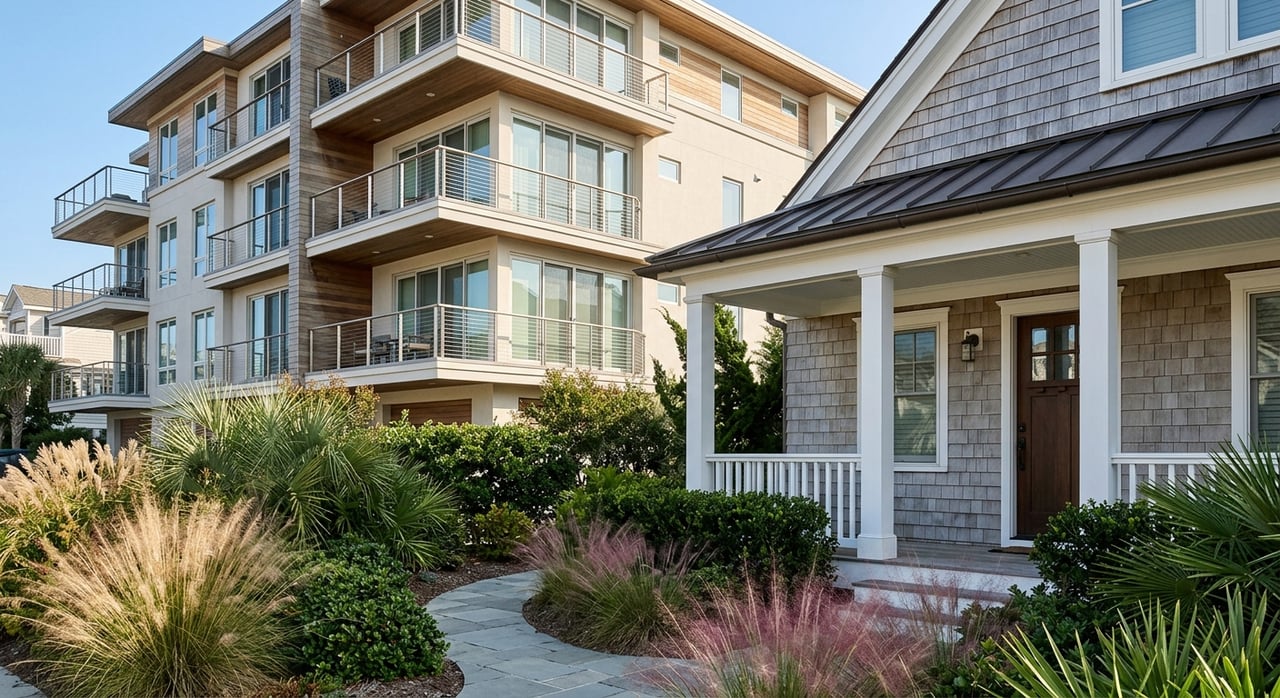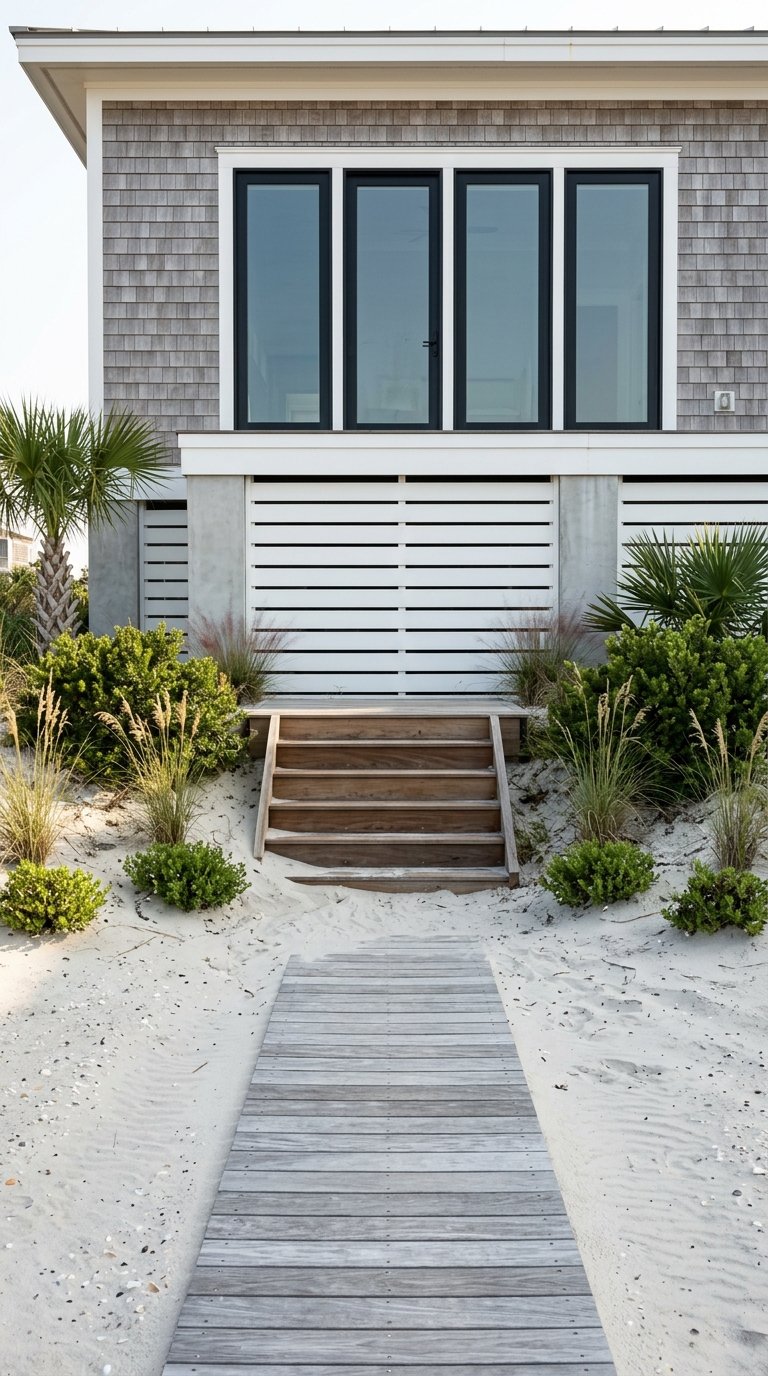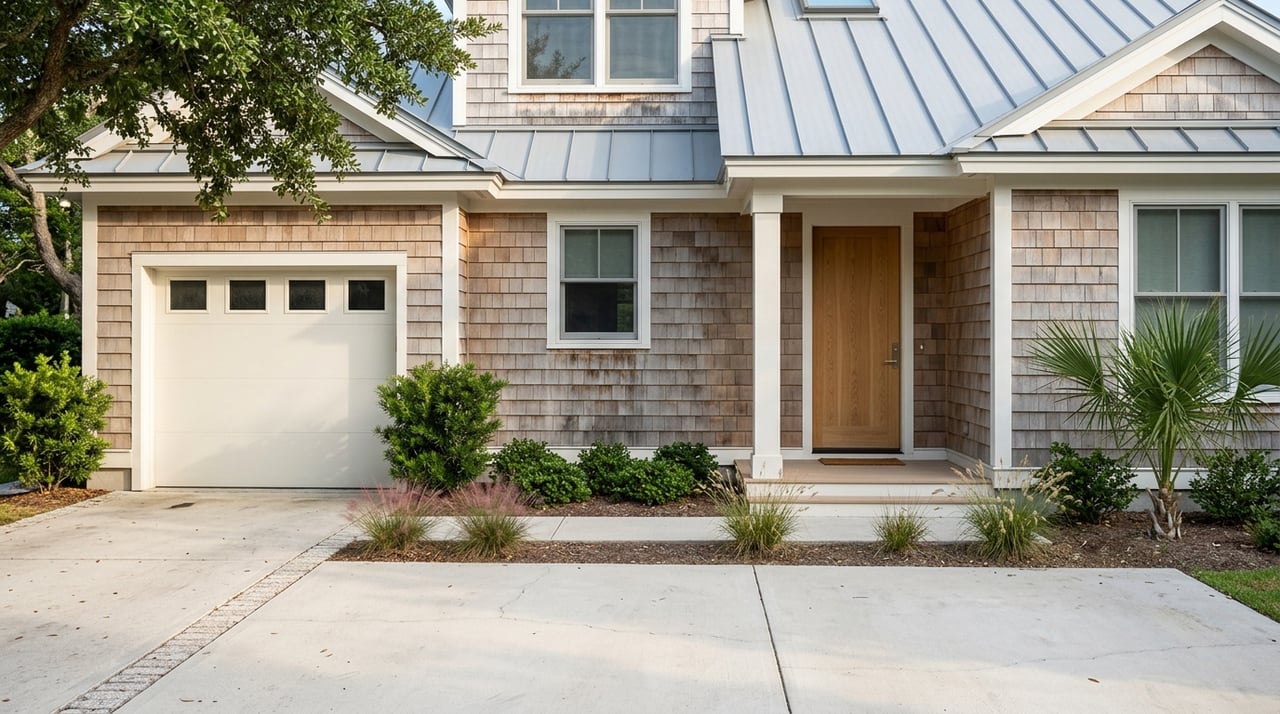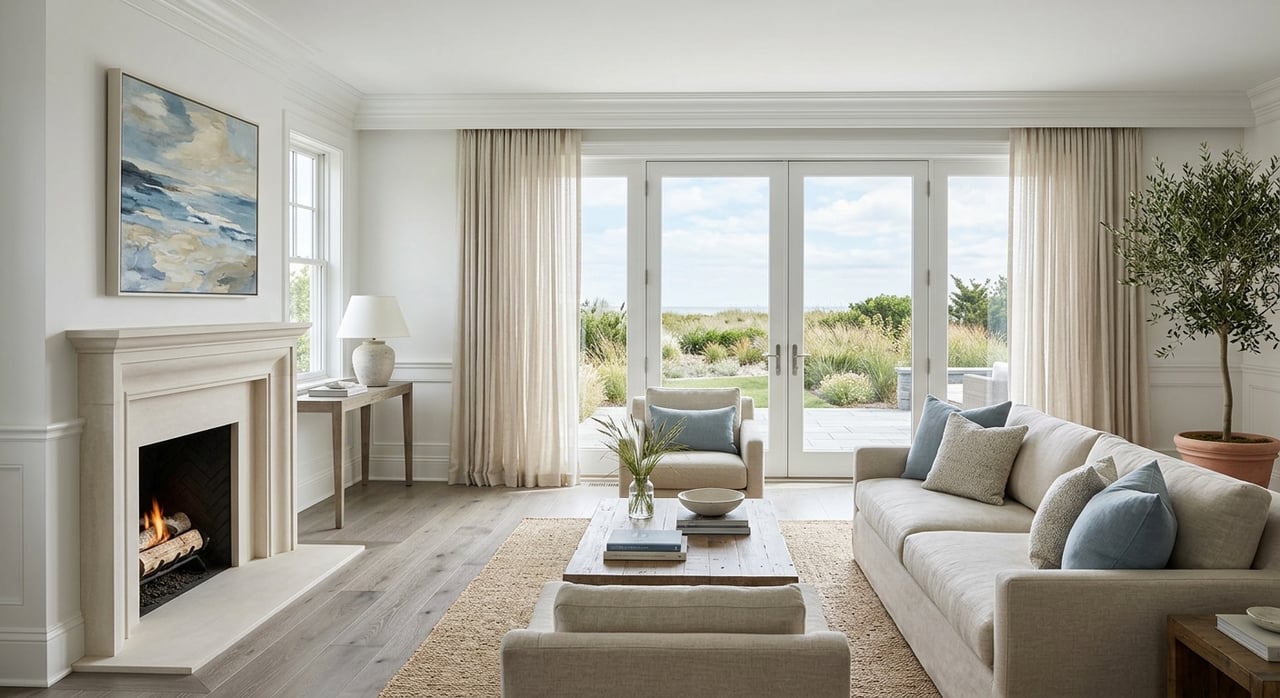
If your buyer may be sitting in Atlanta, Dallas, Nashville, or New York while shopping for a home on 30A, your listing has to do more than look good. It has to answer questions, reduce uncertainty, and make the trip to South Walton feel worth it before they ever step on a plane. In a market where lifestyle matters as much as square footage, the homes that stand out are the ones that are prepared for an online-first audience. Let’s dive in.
Why 30A West Buyers Start Online
30A West sits in a destination market shaped by beach living, outdoor recreation, and a strong sense of place. South Walton spans a 26-mile Gulf corridor with 16 distinct beach neighborhoods and more than 12,000 lodging units, which means many buyers are not shopping for just a house. They are shopping for a lifestyle.
That matters because many of today’s buyers are moving from out of state or working remotely. Florida Realtors reported that in 2024, 36% of Realtors’ clients moved from another state, and 43% said job location did not affect the move because they worked remotely. For sellers on 30A West, that means your future buyer may know the area well from visits, but still rely heavily on digital marketing to decide whether your home deserves a closer look.
The search process supports that shift. NAR found that 43% of buyers started their search online, 52% found the home they purchased through the internet, and 72% used a mobile device or tablet during the process. Buyers also said photos, detailed property information, and floor plans were among the most useful website features.
Build an Online-First Listing Package
For out-of-state and remote buyers, your listing should function like a strong first showing. It should help them understand the layout, condition, and lifestyle value of the home before they travel. If the online presentation feels thin or unclear, many buyers simply move on.
Fannie Mae found that most recent buyers preferred online channels for searching and mortgage-related tasks, but 90% still wanted to tour a home in person. That creates an important goal for your listing strategy. The digital package should do enough heavy lifting to earn the visit, and the in-person experience should confirm what the marketing promised.
What buyers want to see online
A strong online-first package should include:
- High-quality photos that show the home clearly and honestly
- Detailed property descriptions with practical information, not just adjectives
- Floor plans that help buyers understand flow and room relationships
- Video or virtual tour materials that add context
- Clear exterior and outdoor-living photography
- Notes on updates, maintenance, and major systems
On 30A West, outdoor spaces should not be treated like extras. In a coastal market built around beach access, scenic beauty, trails, and recreation, porches, pools, outdoor showers, decks, and entertaining areas often help buyers picture how they would actually use the home.
Focus on Staging That Reads Well Online
When buyers first meet your home through a screen, visual presentation carries real weight. NAR’s 2025 staging research found that buyers’ agents rated photos as more or much more important 73% of the time. Physical staging came next at 57%, followed by videos at 48% and virtual tours at 43%.
That order matters. It tells you that remote buyers still respond most strongly to a well-prepared, well-photographed home. Virtual staging can help in some situations, but it should support the listing, not do all the work.
Start with the basics
NAR found that the most common seller prep recommendations were:
- Decluttering
- Deep cleaning
- Improving curb appeal
Those three steps sound simple, but they create the clean sightlines that make listing photos work. In a bright coastal setting like 30A West, clutter competes with natural light and distracts from architectural details, room size, and outdoor connections.
Prioritize the rooms that matter most
According to NAR, the living room, primary bedroom, and kitchen are the rooms where staging makes the biggest difference. If you are deciding where to spend time and money, start there.
For many 30A buyers, those spaces help tell the full story of the home. The kitchen suggests how easy it is to host family and guests. The living room shows comfort and flow. The primary bedroom helps buyers imagine retreat, privacy, and ease after a day on the coast.
Keep the visuals honest
This part is easy to overlook. NAR’s staging report found that 48% of respondents said buyers expect homes to look like they were staged on TV, and 58% said buyers were disappointed when the home looked different in person.
That is a good reason to avoid over-editing photos or creating a polished image the house cannot support in real life. The goal is not to oversell. The goal is to create confidence, especially for buyers traveling from out of state who want fewer surprises, not more.
Prepare the Paper Trail Before You List
Remote buyers often want answers before they book a flight. One of the best ways to build trust is to organize key property documents before the home hits the market. That helps buyers evaluate condition and ownership history with less guesswork.
NAR reported that buyers are drawn to homes where concerns about repairs or systems feel manageable and transparent. A pre-listing inspection and a straightforward repair summary can go a long way, especially for buyers who are trying to narrow options from a distance.
Useful documents to gather
A clean pre-listing file might include:
- Permits for major work
- Service records
- Warranties
- Appliance manuals
- HVAC maintenance history
- Roof maintenance records
- A one-page list of repairs or replacements
You do not need to overwhelm buyers with paperwork on day one. You do want to be ready when serious questions come in. Fast, organized answers signal that the home has been cared for and that the sale process is likely to be smoother.
Address Flood and Insurance Questions Early
In a coastal market, flood and insurance questions are not side notes. They are part of how buyers evaluate risk, cost, and long-term ownership. If your home is on 30A West, buyers may ask about flood-zone information early, especially if they live out of state and are less familiar with local conditions.
FEMA identifies the Flood Map Service Center as the official source for flood maps and notes that flood insurance is separate from homeowners insurance. FEMA also states that NFIP policies typically have a 30-day waiting period and that flood risk should be checked by address.
Have these items ready if available
To help buyers feel informed, prepare:
- Flood-zone information
- Elevation certificate, if available
- Prior claim history, if applicable
- Mitigation or improvement history related to water risk
You are not trying to make the property sound complicated. You are making it easier for a serious buyer to understand the picture clearly, which is especially important when they are evaluating from another state.
Organize Rental History If the Home Is an Investment Property
Many 30A West buyers are also thinking about second-home use, vacation use, or rental potential. If your property has rental history, clean records can make a real difference. Remote buyers often want to understand how the home has performed and whether it has been managed in compliance with local requirements.
Walton County provides useful guidance here. Tourist Development Tax returns are due the month after the rental stay, rental-revenue records must be kept for at least three years, and short-term rentals south of Choctawhatchee Bay are charged a 5% TDT on rent plus required non-refundable fees. Walton County also has a short-term vacation rental certificate program and a neighborhood compatibility ordinance.
Rental documents buyers may ask for
If the property has been rented, be ready with:
- Occupancy history
- Revenue records
- TDT compliance records
- Certificate or registration status, if applicable
- Basic notes on management setup and operating history
This kind of preparation helps investor-minded buyers and second-home buyers evaluate the property with more confidence. It also shows that you understand what matters in a destination market.
Highlight Smart Features for Remote Ownership
In a market with many second-home and seasonal owners, practical smart-home features can be very appealing. NAR describes smart-home devices as tools that let homeowners remotely monitor and control home features, with security and energy management among the main reasons consumers want them.
For 30A West homes, the most useful features are usually the ones that make remote ownership easier, not flashier. Buyers often respond well to tools that help them manage access, monitor the property, and catch issues early.
Smart-home features that fit this market
The most relevant upgrades often include:
- Smart locks
- Video doorbells
- Smart thermostats
- Leak sensors
- Irrigation controls
NAR specifically identifies thermostats, sprinkler controls, and door locks as common remote-control functions. For a buyer who lives part-time on the coast, those features can make ownership feel more manageable from day one.
Make transfer simple
The handoff matters just as much as the technology itself. Before closing, prepare a clear list of devices, account-transfer instructions, subscription details, and any reset or unpairing steps.
That extra organization helps avoid confusion after the sale. It also supports privacy and security, which are important any time connected devices stay with the home.
Create a Listing Experience That Matches the Home
In a place like 30A West, great marketing should feel true to the property and true to the lifestyle. The strongest listings do not just stack features. They help buyers understand what daily life in the home could look like, while still giving them the hard facts they need to make a decision.
That is where thoughtful preparation pays off. Clean staging, accurate visuals, organized documents, flood and insurance readiness, and smart-home handoff details all help reduce friction for remote buyers. In a market where many purchases begin on a screen and end with a plane ticket, that preparation can be the difference between casual interest and a serious showing.
If you are getting ready to sell on 30A West, a polished online-first strategy is not just nice to have. It is part of meeting today’s buyer where they are and helping them move forward with confidence. If you want a tailored plan for positioning your property for destination and remote buyers, connect with Andy Mcalexander.
FAQs
What should a 30A West seller include in an online listing for remote buyers?
- Remote buyers usually want strong photos, detailed property information, floor plans, and video or virtual tour materials so they can evaluate the home before traveling.
What home staging matters most for a 30A West listing?
- Decluttering, deep cleaning, curb appeal, and focused staging in the living room, primary bedroom, and kitchen tend to have the biggest impact.
What documents should a seller prepare before listing a 30A West home?
- Helpful documents include permits for major work, service records, warranties, appliance manuals, HVAC and roof maintenance history, and a simple repair summary.
What flood-related information should a 30A West seller have ready?
- Buyers may ask for flood-zone information, an elevation certificate if available, and any claim or mitigation history tied to flood risk.
What rental records matter when selling a 30A West property with short-term rental history?
- Buyers may want to review occupancy, revenue, tax-compliance records, and any short-term rental certificate or registration details tied to the property.
What smart-home details should a 30A West seller share before closing?
- A seller should prepare a device list, transfer instructions, subscription details, and reset or unpairing steps so the buyer can take over the system smoothly.