Thinking about life on the west side of Scenic Highway 30A? Picture bike rides to coffee, quiet dune lake mornings, and sugar-white sand that squeaks underfoot. Whether you want a second home, a rental-friendly spot, or a place to settle in for longer seasons, you want clear, local answers. This guide walks you through neighborhood vibes, outdoor life, home options, and the practical details you should know before you buy. Let’s dive in.
Where 30A West sits and how it feels
The western stretch of 30A runs through a series of small beach towns and resort neighborhoods in south Walton County. Distances are short, and most places feel like connected villages rather than a single city. A paved multi-use path, the Timpoochee Trail, runs roughly 18 miles along the corridor and makes biking a real daily option for many trips. For an overview of the corridor and trail, browse the official visitor resources from Visit South Walton.
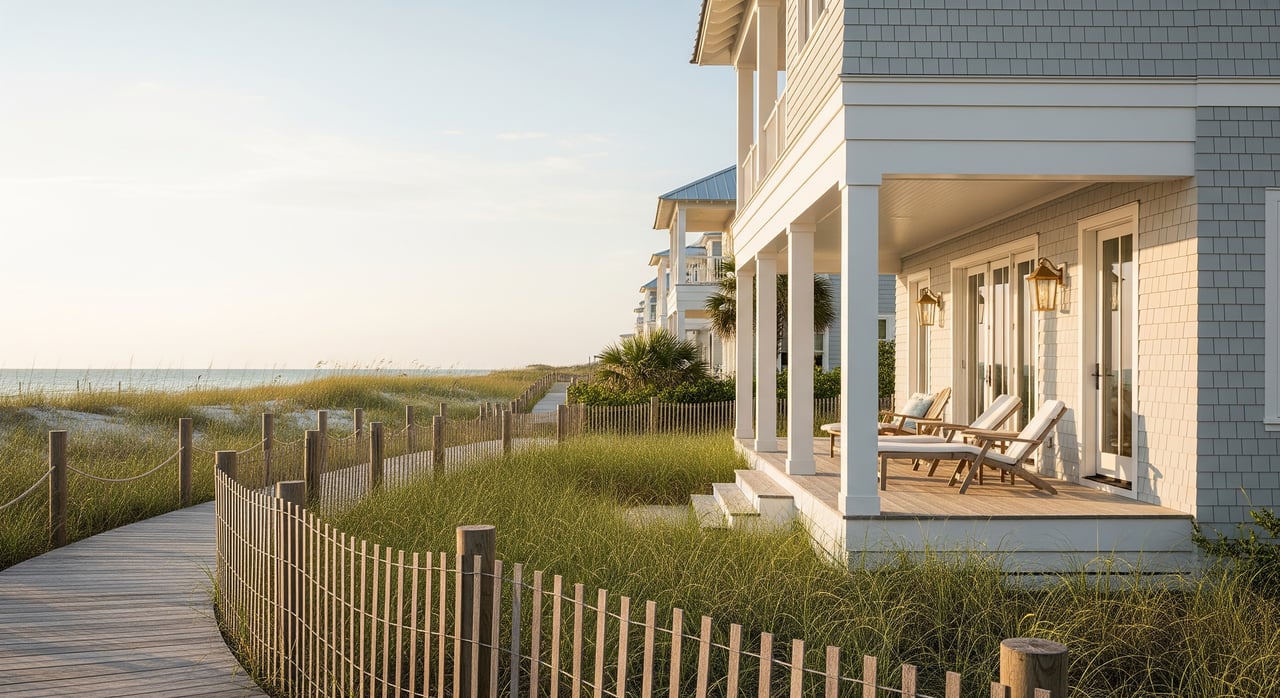
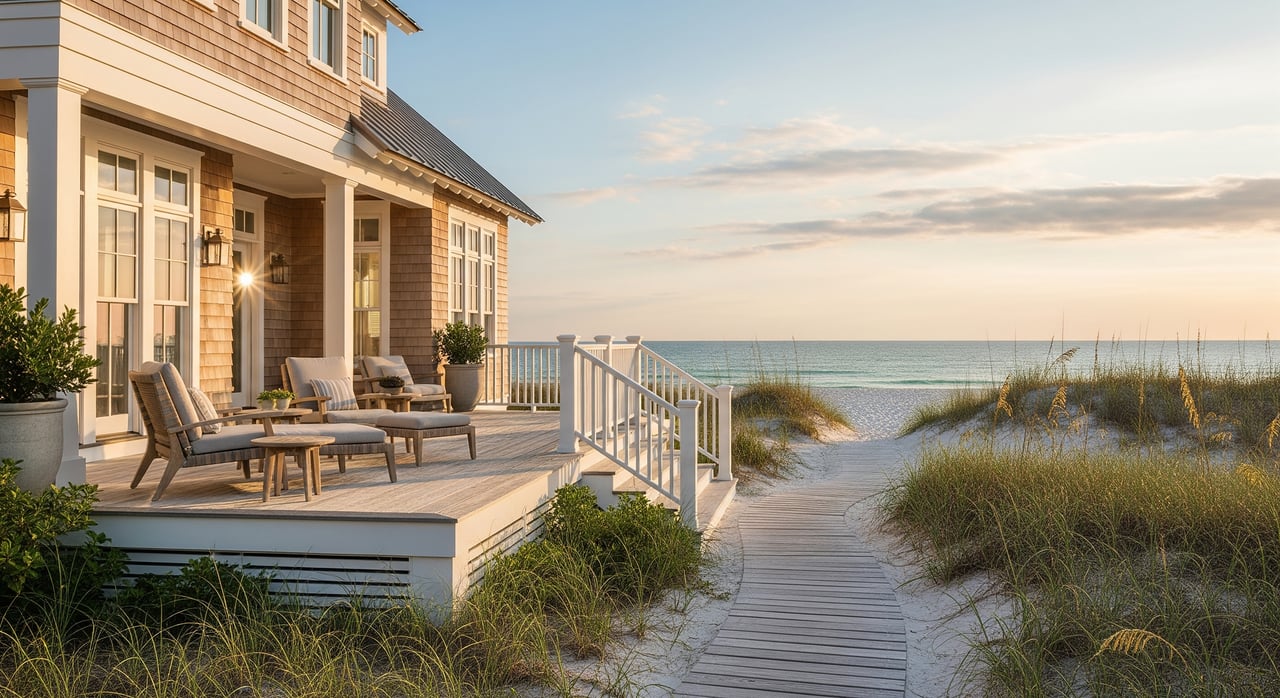
You’ll notice emerald-green water, fine quartz sand, and rolling coastal dunes. Rare coastal dune lakes dot the landscape and add calm-water options for paddling and wildlife watching. State parks and preserves protect much of this environment, which helps keep the area’s natural character intact.
Neighborhood snapshots
Dune Allen Beach and Blue Mountain Beach
If you like a quieter, more residential mood, start here. You’ll see a mix of older beach cottages and newer infill homes on small streets near the Gulf and dune lakes. Many buyers choose this zone for a bit more privacy and relative affordability compared with the most curated resort communities. Daily life leans relaxed, with easy access to the trail and public beach access points.
Grayton Beach
Grayton began as a fishing village and still feels delightfully eclectic. You’ll find artist galleries, casual beach bars, and quick access to Grayton Beach State Park for trails and lake access. Buyers who value character over polish often land here. The vibe is laid-back, creative, and close to nature.
Seaside
Seaside is one of the country’s best-known New Urbanist towns with a walkable center, pastel cottages, and public squares. It has strong rental demand and a lively town core with shops and dining. If you want a strong sense of place and built-in walkability, Seaside checks the boxes. Expect a higher profile and more seasonal activity.
Seacrest, Alys, and Seagrove
Between Seaside and the eastern resort pockets, you’ll find a mix of planned communities and modest neighborhoods. You are close to restaurants and boutique shopping, with several communities oriented around village centers and pool complexes. Crowds ebb and flow with the season, but daily conveniences are nearby year-round.
WaterColor, WaterSound, and Watersound Origins
These master-planned neighborhoods offer higher-end homes, gated sections, and resort amenities like pools, beach clubs, and golf. Many owners participate in established rental programs, which can help with income planning. If you want premium finish levels and organized amenities, start your search here. The environment feels polished and service-forward.
Daily life outdoors
You’ll have multiple public beach access points along 30A, and many neighborhoods offer private or deeded access through an HOA. During peak seasons, public parking fills fast, so many residents bike or walk to the sand. The Timpoochee Trail is the corridor’s non-motorized spine, and you’ll see families, retirees, and visitors using it from sunrise to sunset.
Coastal dune lakes offer calmer water for kayaking and paddleboarding, plus a quieter alternative to the Gulf on breezy days. Grayton Beach State Park is a go-to for camping, trails, and dune lake access. For park rules and natural features, explore the Florida State Parks site before you go.
Homes and price context
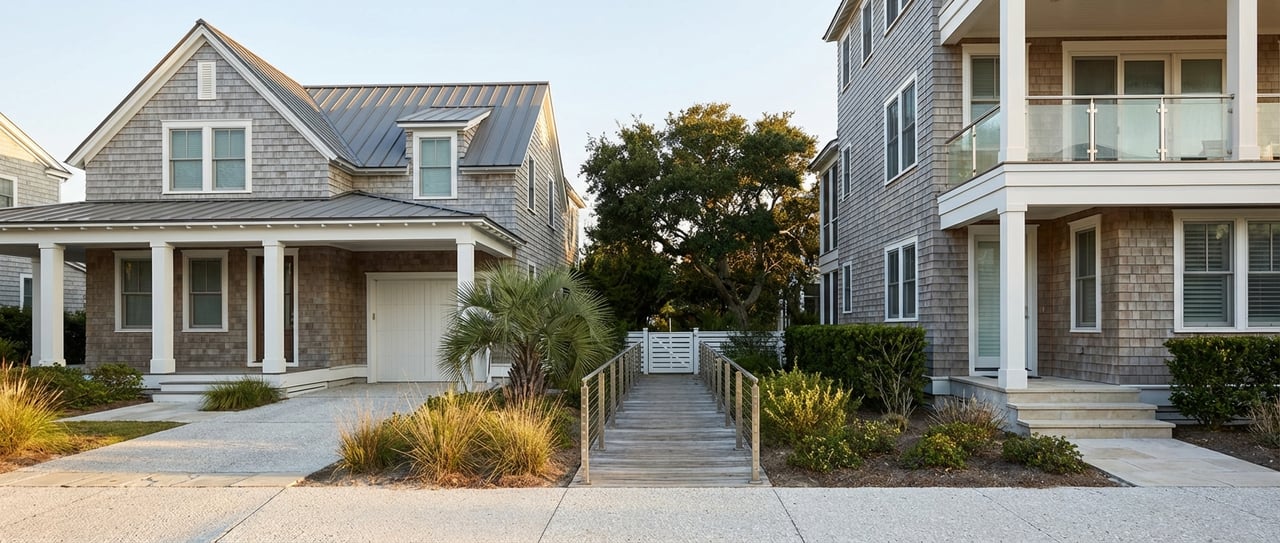
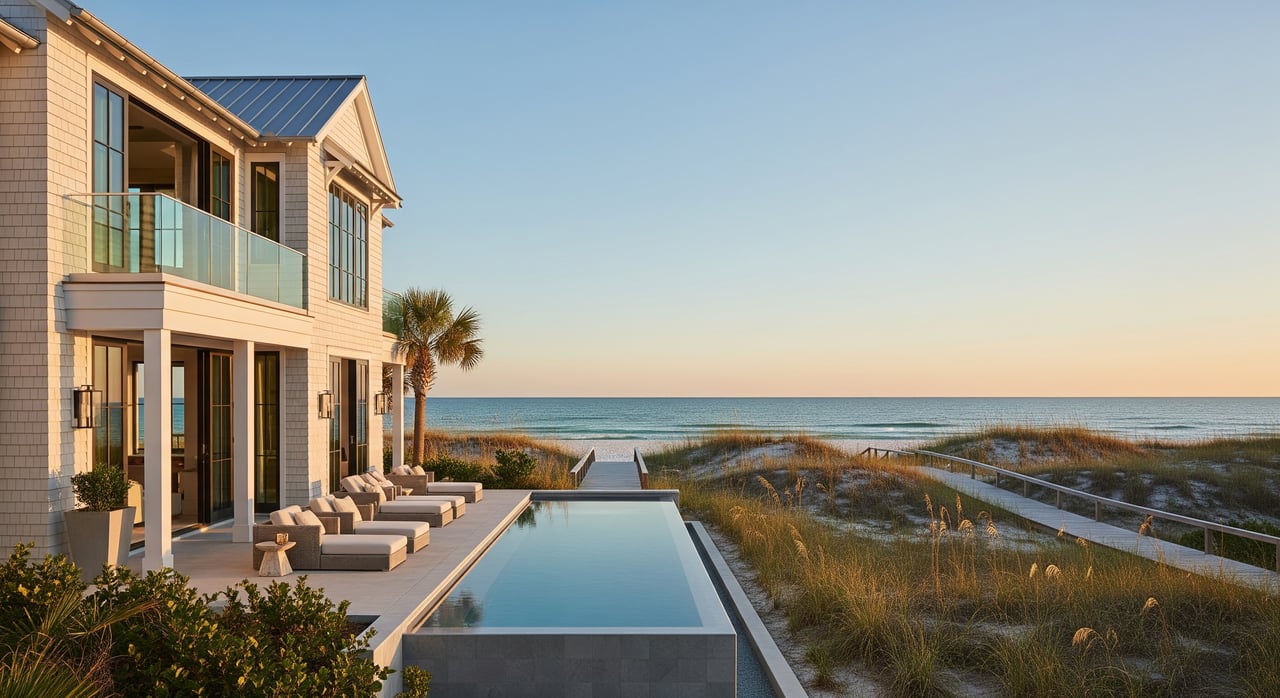
You’ll see a spectrum of styles, from classic coastal cottages and Key West-inspired homes with metal roofs to modern coastal builds. Village centers and some beachfront areas offer condos and townhomes. Select Gulf-front lots hold large custom estates.
Buyers here often fall into three buckets: second-home owners, rental-focused investors, and a smaller group of primary residents. Entry points are most often condos or townhomes away from the beach, while single-family homes range from modest cottages to luxury properties in planned communities. Gulf-front homes sit at the top of the market. Neighborhoods with walkable centers and resort amenities tend to draw steadier short-term rental demand.
Inventory can be tight in popular pockets, and new construction is mainly in master-planned communities and infill lots. Prices respond to tourism cycles, broader Florida trends, and storm impacts, so stay close to current data as you search.
Getting around and travel
A car is helpful for regional trips, but once you are on 30A, many routines can be bikeable or walkable depending on the neighborhood. For air travel, you can use Destin–Fort Walton Beach Airport (VPS) or Northwest Florida Beaches International (ECP). Driving times vary by where you stay, but both make second-home visits and long weekends realistic.
Ownership essentials
Flood and wind risk
Much of 30A lies in FEMA flood zones, and many homes are elevated to meet code. Before you write an offer, use the FEMA Flood Map Service Center to look up the property’s flood zone. Building standards in Walton County incorporate post-hurricane wind and elevation requirements, so confirm details with the county’s resources at Walton County.
Insurance and cost of ownership
Property insurance, including wind and flood coverage, can be a significant line item. Costs vary by elevation, construction, proximity to the Gulf, and the policy you choose. Get quotes early in your search so the numbers match your plan. Factor in maintenance and HOA dues, which vary by community and amenity level.
Short-term rentals and rules
Short-term rentals are common, but they are regulated. Some communities offer formal rental programs while others have strict rules or rental limits. Review county rules and registration requirements, and check HOA covenants before you buy. Start with county guidelines on the official Walton County site, then ask for HOA documentation on any property you like.
HOA governance
Many 30A neighborhoods are HOA-governed to protect design standards and shared areas. Dues can cover beach access, pools, security, and landscaping. Confirm what dues include, how the board operates, and any rental policies or design review processes. Knowing the rules will help you plan both personal use and rental calendars.
Utilities and internet
Water and sewer may be county-provided, handled by a utility district, or managed within a community. Some older or more remote properties may use septic. Broadband access has improved, but speeds vary by provider and street. If you work remotely, confirm service levels during your due diligence.
Schools and healthcare
The 30A corridor is served by the Walton County School District. For neutral, up-to-date information on attendance zones and programs, consult the Walton County School District directly. Regional hospitals and urgent care are accessible off 30A, with drive times that vary by neighborhood.
Seasons and crowds
Spring break, summer, and holiday weeks bring higher traffic and busy beaches. Fall and winter are quieter and can feel more residential. If you plan to live here full-time, spend time in both peak and shoulder seasons to see how the rhythm fits your lifestyle. For storm season awareness and historical trends, monitor resources from NOAA.
Who 30A West fits
If you want walkable village life and resort-style amenities, Seaside, WaterColor, and WaterSound often fit well. If you prefer quieter streets and more residential pockets, Dune Allen or Blue Mountain may feel right. Investors often target communities with established rental programs and strong proximity to village centers. The best fit depends on how you plan to use the home and the lifestyle you value most.
How to choose your spot
Use this quick framework to focus your search:
- Define your primary goal: personal retreat, rental income, or a blend.
- Pick your daily rhythm: quiet residential streets or curated resort centers.
- Map your access: walk or bike to beach, or drive and park.
- Confirm rules: HOA covenants, design review, and rental policies.
- Run the numbers: insurance quotes, HOA dues, utilities, and maintenance.
- Check risk: verify flood zone on the FEMA map tool and review local building standards at Walton County.
- Test seasons: visit in busy months and in the off-season.
Ready to explore neighborhoods and match them to your goals? Reach out to Andy Mcalexander for a boutique, data-driven consultation that blends local stewardship with practical buyer strategy.
FAQs
How bikeable is 30A West for daily errands?
- Most town centers and nearby neighborhoods are bike-friendly, and the Timpoochee Trail links communities for realistic short trips along the corridor.
Do 30A West homes need flood insurance?
- If a home sits in a FEMA-designated special flood hazard area, lenders typically require flood insurance, and owners outside high-risk zones often choose coverage due to storm surge exposure.
What should I know about short-term rentals on 30A West?
- Rentals are common but regulated; check Walton County requirements and each HOA’s rules because program options, rental frequency, and registration vary by neighborhood.
How busy do beaches and roads get in peak season on 30A West?
- Spring break, summer, and holidays bring high traffic, parking pressure, and busy beaches, while fall and winter are generally quieter and less crowded.
What school options serve the 30A West area?
- The corridor is served by the Walton County School District; review district resources for attendance zones, programs, and transportation details.
What environmental risks should buyers consider on 30A West?
- Primary risks include hurricanes, storm surge, coastal erosion, and flooding; consult FEMA maps and NOAA resources to understand exposure and preparedness.